
LAST UPDATED ON: 21/02/2026
Planning a trip to Thailand in 2026? It’s easy to feel overwhelmed. With hundreds of islands, buzzing cities, and deep jungles, deciding where to go is the hardest part of the adventure. You don’t want to waste your time on outdated tourist traps—you want the perfect itinerary for your travel style.
Whether you are planning a romantic honeymoon in Krabi, a backpacking adventure through Pai, or a family getaway to Hua Hin, we have filtered out the noise.
We’ve curated the ultimate list of the 14 best places to visit in Thailand, categorized by who you are traveling with. From world-famous highlights for first-timers to hidden gems for nature lovers, this guide has everything you need to build your perfect trip.
What you’ll find in this guide:
- For First Timers: The essential classics like Bangkok and Chiang Mai.
- For Couples: Romantic escapes like Koh Samui and Koh Lanta.
- For Backpackers: Party spots and chill vibes in Koh Tao and Koh Phi Phi.
- For Families: Kid-friendly beaches in Hua Hin and Koh Kood.
- For Nature Lovers: Jungle adventures in Khao Sok and Kanchanaburi.
Ready to find your paradise? Let’s dive in.
(Short on time? Jump straight to the Quick Overview Table)
Must Visit Places in Thailand for First Timers
Bangkok
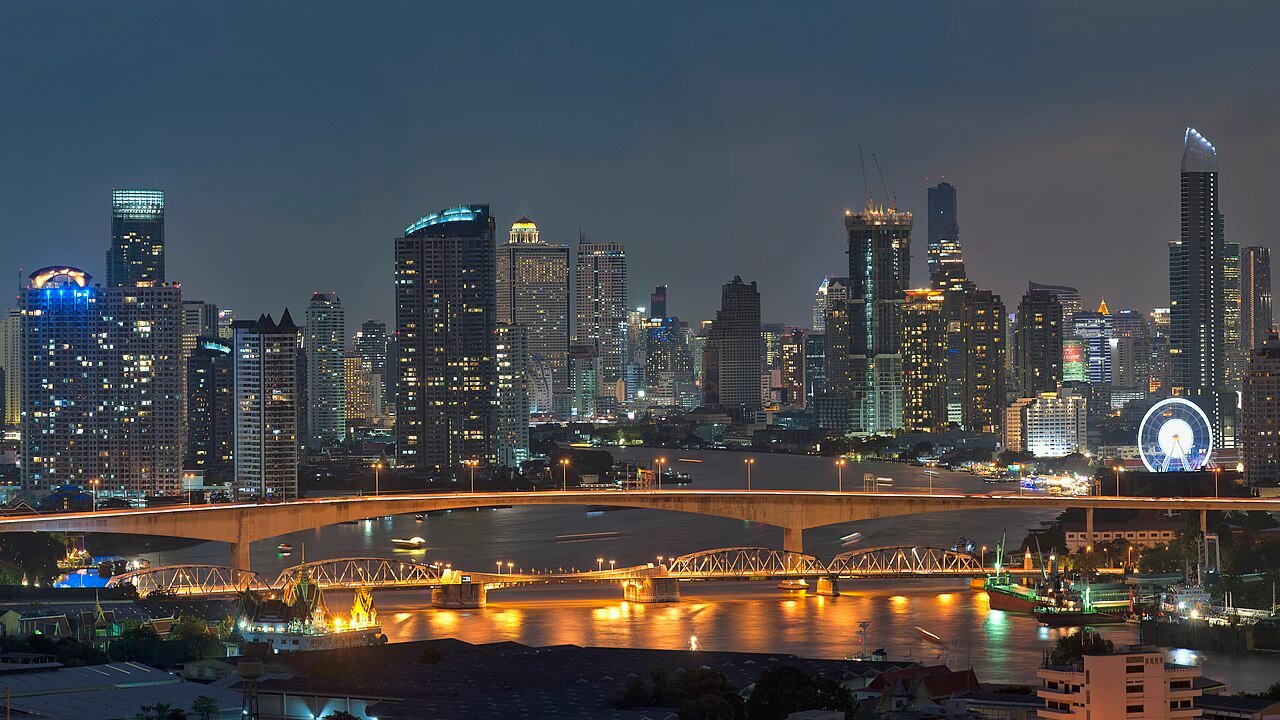
Overview of Bangkok
Bangkok is the capital of Thailand and a huge, buzzing city. Locals call it Krung Thep. It’s a place where old meets new: you’ll see ancient golden temples right next to modern skyscrapers and giant shopping malls. It’s hot, busy, and full of life.
Why Visit Bangkok
- The Food: It has arguably the best street food in the world. You can eat like a king for just a few dollars.
- The Price: You get a lot for your money. Luxury hotels and massages here cost a fraction of what they do in Europe or the US.
- The Location: It’s the perfect starting point if you want to visit the Thai islands or other countries in Asia.
Vibe of Bangkok
It is high-energy. The traffic is crazy, the smells are strong (spicy food and incense), and it’s very humid. But despite the chaos, the people are incredibly friendly and laid-back. It’s a city that feels fun and alive 24 hours a day.
History of Bangkok
Bangkok wasn’t always a concrete jungle. It started as a small trading post on the river. About 200 years ago, it became the capital city. It used to have so many canals that people called it the “Venice of the East.” Today, many canals are roads, but the big Chao Phraya River is still the heart of the city.
Highlights of Bangkok
- Temple Hopping: Visiting the stunning, sparkly Buddhist temples.
- Eating: Trying spicy tom yum soup or pad thai right on the street corner.
- Rooftops: Having a drink on top of a skyscraper to watch the sunset over the city.
- Markets: Getting lost in huge markets selling everything from clothes to art.
Key Spots in Bangkok
- The Grand Palace: The most famous landmark. It’s incredibly detailed and shiny.
- Wat Arun: A beautiful temple right on the river that looks amazing at sunset.
- Chinatown: The best place to go at night for street food.
- Chatuchak Market: A massive weekend market with thousands of stalls.
- Khao San Road: A loud, famous street full of backpackers and bars.
Insider Tip for Bangkok
Take the boat. The traffic in Bangkok is famous for being stuck. Instead of sitting in a taxi, jump on a river boat or the Skytrain (BTS). It’s cheap, breezy, and you’ll actually get to where you’re going on time.
Comparison of Bangkok
- Vs. Singapore: Bangkok is wilder, messier, and cheaper. Singapore is cleaner, greener, and more strict.
- Vs. Tokyo: Both have bright lights and big crowds, but Bangkok is much more relaxed and informal than Tokyo.
Who should visit Bangkok?
- Perfect for: Foodies, city lovers, shoppers, and people who want luxury for less money.
- Not for: People who hate the heat, crowds, or loud noises.
“Bangkok is generally safe, but ‘Gem Scams’ are still common near temples. Read this expat’s guide on How to Spot and Avoid Tourist Scams in Bangkok before you go.”
Chiang Mai
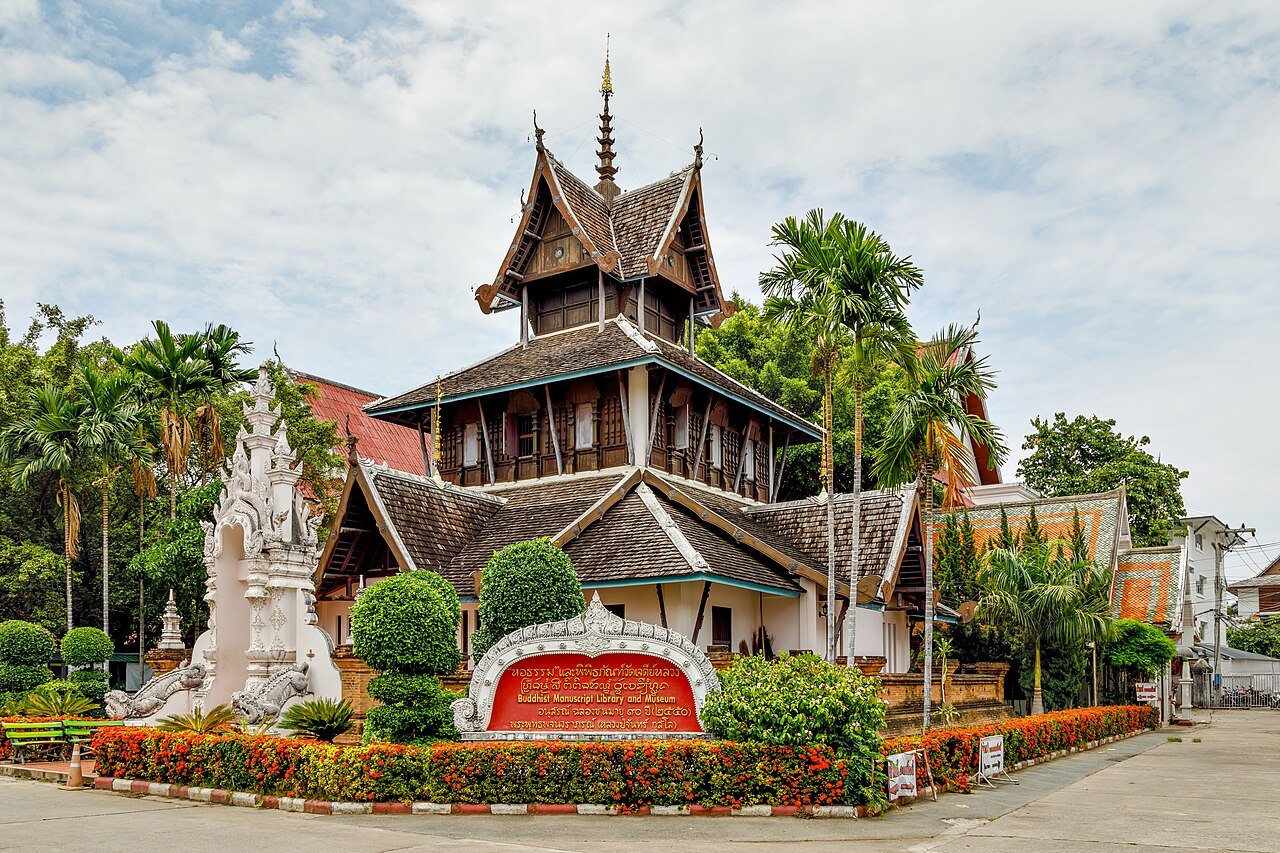
Overview of Chiang Mai
Chiang Mai is the largest city in northern Thailand, but it feels more like a big, relaxed town than a metropolis. Nestled among mountains and lush countryside, it is famous for its hundreds of ancient temples, cool coffee shops, and rich culture.
Why Visit Chiang Mai
- The Culture: This is the heart of “Lanna” (northern Thai) culture, which has its own unique food, language, and architecture.
- The Nature: You are minutes away from waterfalls, mountains, and jungles. It’s the best place to see elephants ethically.
- The Pace: It is much slower and more peaceful than Bangkok. You can actually hear birds singing in the city center.
Vibe of Chiang Mai
The vibe here is chilled out and artistic. Travelers often plan to stay for three days and end up staying for three weeks. It’s a mix of monks walking softly in orange robes, backpackers hiking, and digital nomads working on laptops in trendy cafes.
History of Chiang Mai
Chiang Mai literally means “New City,” though it was built over 700 years ago (in 1296). It was the capital of the Lanna Kingdom. The historic heart of the city is the “Old City,” a perfect square surrounded by a brick wall and a moat that still stands today.
Highlights of Chiang Mai
- Temple Gazing: There are over 300 temples here. Some are made of silver, some are teak wood, and many are gold.
- Elephant Sanctuaries: Visiting rescue parks where you can feed and observe elephants (no riding) in the jungle.
- Cooking Classes: It’s one of the best places in Thailand to learn how to cook curry and sticky rice.
- Cafe Hopping: The coffee scene here is world-class, using beans grown in the local mountains.
Key Spots in Chiang Mai
- Wat Phra That Doi Suthep: A stunning gold temple on top of a mountain overlooking the city. You have to visit this for the view.
- The Old City: The square area inside the moat. It’s very walkable and packed with temples and guesthouses.
- Nimmanhaemin Road (Nimman): The trendy, modern neighborhood full of art galleries, boutiques, and bars.
- Sunday Walking Street: A massive night market that shuts down the center of town every Sunday evening.
Insider Tip for Chiang Mai
Eat the Khao Soi. You cannot leave without trying this dish. It is a coconut curry noodle soup topped with crispy noodles, lime, and pickled mustard greens. It’s the signature taste of Chiang Mai and is absolutely delicious.
Comparison of Chiang Mai
- Vs. Bangkok: Chiang Mai is much smaller, cooler, and greener. The traffic is manageable, and the air is fresher (except during the burning season in March/April).
- Vs. Phuket: This is mountains vs. beach. Phuket is about partying and the sea; Chiang Mai is about culture, mountains, and relaxation.
Who should visit Chiang Mai?
- Perfect for: Solo travelers, culture lovers, nature enthusiasts, and anyone who wants to relax and recharge.
- Not for: Beach bums (it’s landlocked) or people looking for huge nightclubs and high-end mega-malls.
“Beyond temples, this city is the coffee capital of Thailand. Serious coffee lovers should follow this route to the Best Specialty Roasters in Chiang Mai.”
Phuket
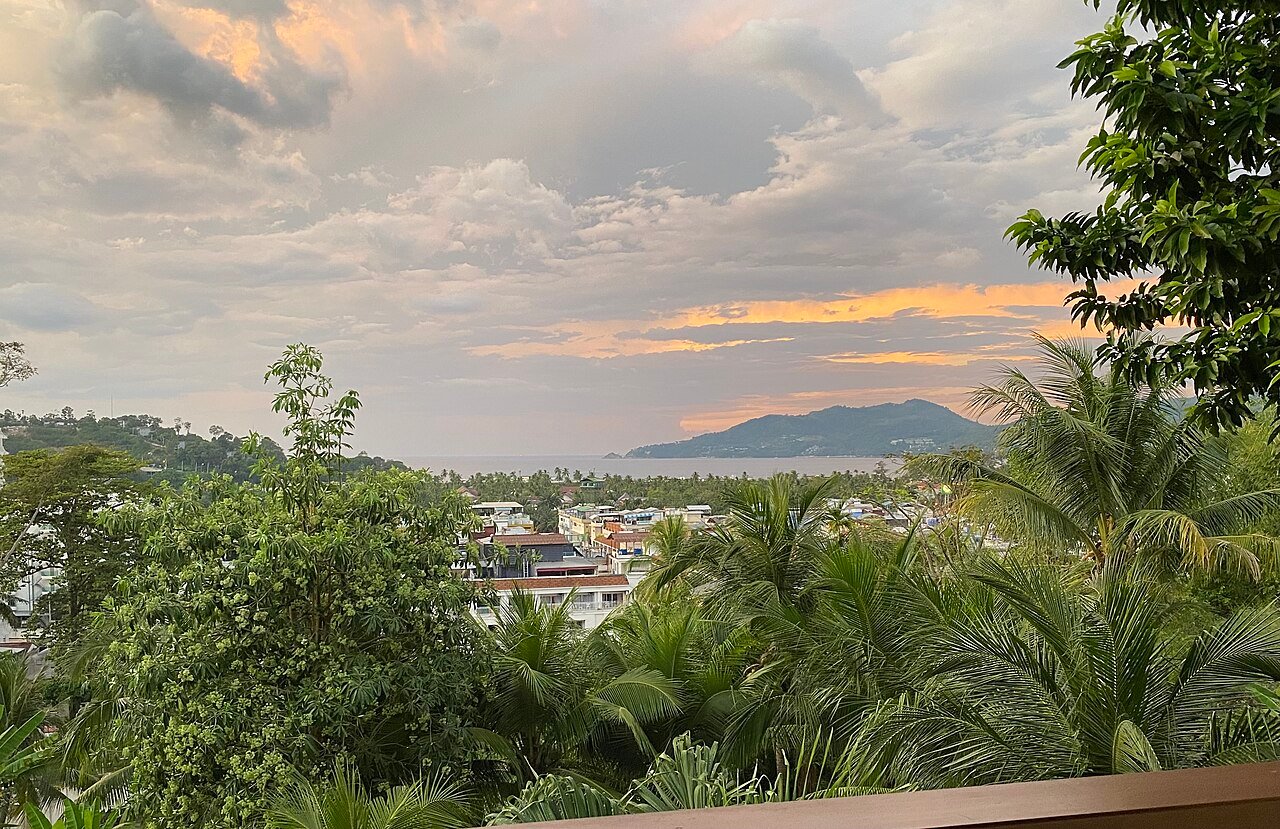
Overview of Phuket
Phuket is Thailand’s largest island. It’s so big it almost feels like part of the mainland, connected by a bridge. It is the country’s most famous beach destination, offering a mix of wild party towns, quiet family resorts, and historic streets.
Why Visit Phuket
- The Beaches: It has some of the clearest water and softest sand in the country.
- Convenience: You can fly directly here from many countries without stopping in Bangkok.
- Variety: You can party until dawn, stay in a super-luxury private pool villa, or explore a historic old town—all on one island.
Vibe of Phuket
The vibe changes completely depending on where you are. Patong Beach is loud, neon-lit, and crazy. But if you drive just 20 minutes away to places like Kata or Nai Harn, it becomes relaxed, sunny, and peaceful. It feels more “developed” and busy than smaller Thai islands.
History of Phuket
Before tourists arrived, Phuket was famous for tin mining. It was a major trading stop for ships from China and Europe. This made the island wealthy long ago, which is why Phuket Old Town looks different—it’s built in a “Sino-Portuguese” style that looks a bit like Havana or colonial Penang.
Highlights of Phuket
- Island Hopping: Taking a speedboat to see the famous Phi Phi Islands or James Bond Island nearby.
- Sunset Watching: The sunsets here are legendary, especially from the southern tip of the island.
- Nightlife: Walking down Bangla Road is an experience you won’t forget (even if you only do it once).
- Old Town: Wandering the colorful streets to see cool art, cafes, and Sunday markets.
Key Spots in Phuket
- Patong Beach: The main tourist hub. Crowded, loud, and full of nightlife.
- The Big Buddha: A massive white marble statue on top of a hill. You can see it from almost anywhere in the south.
- Phuket Old Town: The historic center with colorful houses and great local food.
- Promthep Cape: The most famous spot to watch the sunset (go early, it gets busy!).
- Wat Chalong: The largest and most respected temple on the island.
Insider Tip for Phuket
Download a ride app. Taxis and tuk-tuks in Phuket are famously expensive compared to the rest of Thailand. Download apps like Grab or Bolt to book rides. It saves you from haggling and is usually much cheaper.
Comparison of Phuket
- Vs. Krabi: Phuket is busier, has more nightlife, and is more developed. Krabi is quieter, has more dramatic cliffs, and feels more “natural.”
- Vs. Koh Samui: Phuket is easier to get to (cheaper flights) and has better surfing. Samui feels a bit more exclusive and “tropical village” style.
Who should visit Phuket?
- Perfect for: Beach lovers, families who want big resorts with kids’ clubs, honeymooners, and party animals.
- Not for: People who want a deserted, “castaway” island experience (it’s too busy for that).
Best Places to Go in Thailand for Couples
Krabi
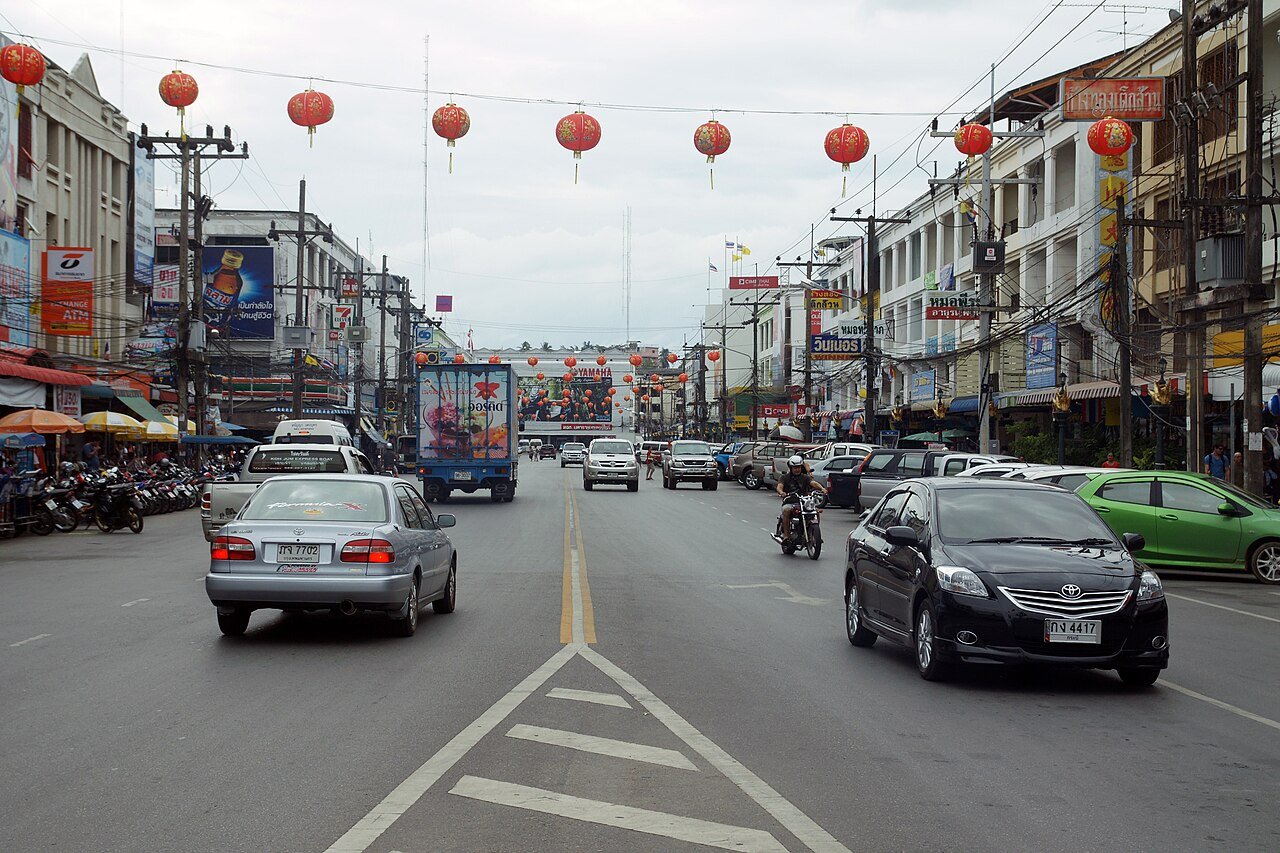
Overview of Krabi
Krabi is a province on Thailand’s west coast, famous for its dramatic scenery. Imagine giant limestone cliffs shooting straight out of the turquoise sea and thick green jungles everywhere. It feels wilder and more “Jurassic Park” than other beach destinations.
Why Visit Krabi
- The Scenery: The view of the vertical cliffs against the ocean is unlike anywhere else in the world.
- Island Hopping: It is the perfect base to explore tiny, beautiful islands like the Hong Islands or the famous Phi Phi Islands.
- Adventure: It’s not just for lying on the beach—you can go rock climbing, kayaking through mangrove forests, or hiking to waterfalls.
Vibe of Krabi
Krabi is chilled out and rustic. While there are touristy areas, it generally feels more laid-back than Phuket or Bangkok. It has a large local Muslim population, which gives it a slightly different, more conservative village feel in some areas (fewer bars, more night markets and halal food).
History of Krabi
Krabi has been home to humans for thousands of years—archaeologists have even found prehistoric cave paintings here. For a long time, it was a quiet fishing region before climbers and backpackers discovered its incredible cliffs in the 1980s.
Highlights of Krabi
- Rock Climbing: Railay Beach is one of the top rock-climbing spots on Earth.
- The Emerald Pool: A natural crystal-clear hot spring hidden in the jungle.
- Sunset Cruises: Sailing on a traditional wooden boat as the sun drops behind the islands.
- Fire Shows: Watching locals perform incredible fire dancing tricks on the beach at night.
Key Spots in Krabi
- Ao Nang: The main tourist town with hotels, restaurants, and shops. It’s the jumping-off point for longtail boats.
- Railay Beach: You can only get here by boat (even though it’s on the mainland) because of the cliffs. It is stunning and car-free.
- Tiger Cave Temple: A temple on a mountain with 1,237 steps. The climb is tough, but the view from the top is unbelievable.
- Koh Hong: A quiet, beautiful island with a hidden lagoon inside.
Insider Tip for Krabi
Rent a private boat. Instead of joining a crowded group tour for island hopping, gather 3–4 friends and rent a private “longtail boat” driver for the day. It doesn’t cost much more, and you can leave early to beat the crowds and stay as long as you want at each secret beach.
Comparison of Krabi
- Vs. Phuket: Krabi is quieter, less developed, and more scenic. Phuket has better nightlife and shopping; Krabi has better nature and views.
- Vs. Koh Samui: Krabi has the dramatic cliffs; Samui has flatter, palm-tree-lined beaches. Krabi is better for adventure; Samui is better for luxury resorts and spas.
Who should visit Krabi?
- Perfect for: Nature lovers, rock climbers, active couples, and families who want to do outdoor activities.
- Not for: People who want high-end shopping malls or massive nightclubs.
“While the beaches are stunning, Railay is actually the world’s premier destination for rock climbers. For a breakdown of the best routes for beginners vs. pros, check out this Ultimate Guide to Climbing in Krabi.”
Koh Samui
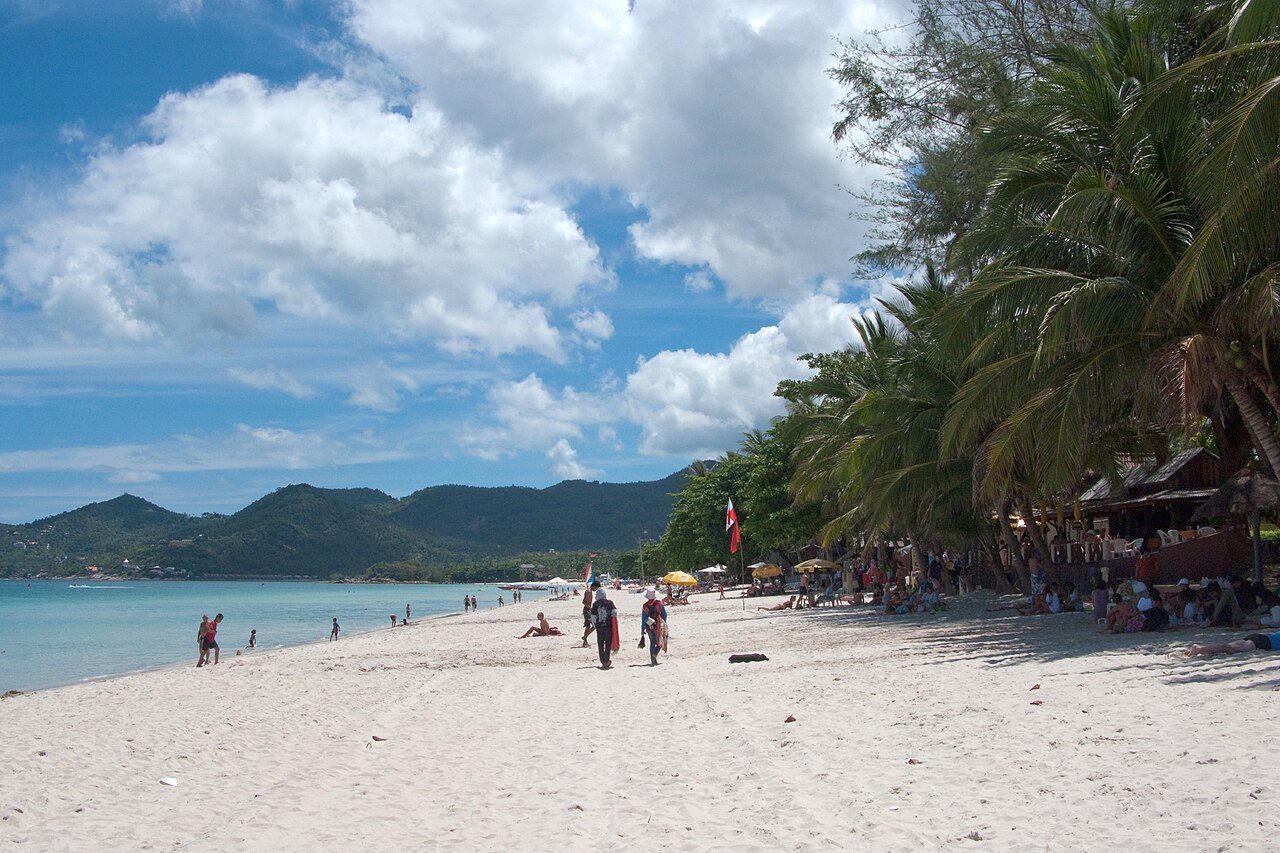
Overview of Koh Samui
Koh Samui is Thailand’s second-largest island, located in the Gulf of Thailand. It is famous for its endless rows of coconut palm trees, luxury resorts, and a slightly more upscale, polished feel than its neighbors.
Why Visit Koh Samui
- The Atmosphere: It strikes a perfect balance. It’s developed enough to have amazing restaurants and hospitals, but small enough to drive around the whole island in a couple of hours.
- The Airport: This might sound strange, but Samui has one of the most beautiful airports in the world. It’s open-air, looks like a garden, and makes arriving feel like a vacation immediately.
- The Weather: Unlike Phuket and Krabi, Samui has good weather during the European/American summer (July–August), making it a great mid-year escape.
Vibe of Koh Samui
Samui feels like a sophisticated tropical holiday. While Chaweng Beach has loud parties, much of the island is about “barefoot luxury”—sipping cocktails on beanbags, staying in boutique villas, and enjoying spa treatments. It is generally cleaner and a bit calmer than Phuket.
History of Koh Samui
For a long time, Samui was isolated from the mainland and was just a massive community of coconut farmers and fishermen. In fact, there weren’t even proper roads until the 1970s. You will still see millions of coconut trees everywhere you look today.
Highlights of Koh Samui
- Fisherman’s Village: A charming street of old wooden shophouses converted into trendy restaurants and boutiques right by the sea.
- Ang Thong Marine Park: A cluster of 42 islands nearby with emerald lakes and caves. It’s a perfect day trip for kayaking and snorkeling.
- Beach Clubs: Samui is famous for classy beach clubs where you can swim, eat, and listen to DJs all day.
- The Big Buddha: A huge golden statue that sits on a small rocky island connected by a causeway. You can see it as you fly in.
Key Spots in Koh Samui
- Chaweng Beach: The busiest, longest beach with the most nightlife and shopping.
- Lamai Beach: Similar to Chaweng but slightly quieter and more laid-back.
- Bophut: The home of Fisherman’s Village. It’s great for couples and families who want nice dinners.
- Hin Ta and Hin Yai Rocks: Famous rock formations that look… interesting (nature has a sense of humor here).
- Silver Beach: A tiny, hidden cove with crystal clear water and big boulders.
Insider Tip for Koh Samui
Go to the Friday Night Market. Every Friday evening, Fisherman’s Village in Bophut turns into a huge walking street. It has the best atmosphere on the island—lots of street food, live music, and cheap cocktails, all set against beautiful old buildings.
Comparison of Koh Samui
- Vs. Phuket: Samui is smaller and easier to navigate, but generally a little more expensive. Phuket has better surfing; Samui has calmer water.
- Vs. Koh Phangan: Phangan (its neighbor) is famous for wild Full Moon Parties and backpackers. Samui is more for families, honeymooners, and comfort.
Who should visit Koh Samui?
- Perfect for: Couples, honeymooners, families with kids, and travelers who want a mix of nature and luxury comfort.
- Not for: Budget backpackers (it’s pricier than the mainland) or surfers (the waves are usually too small).
Koh Lanta
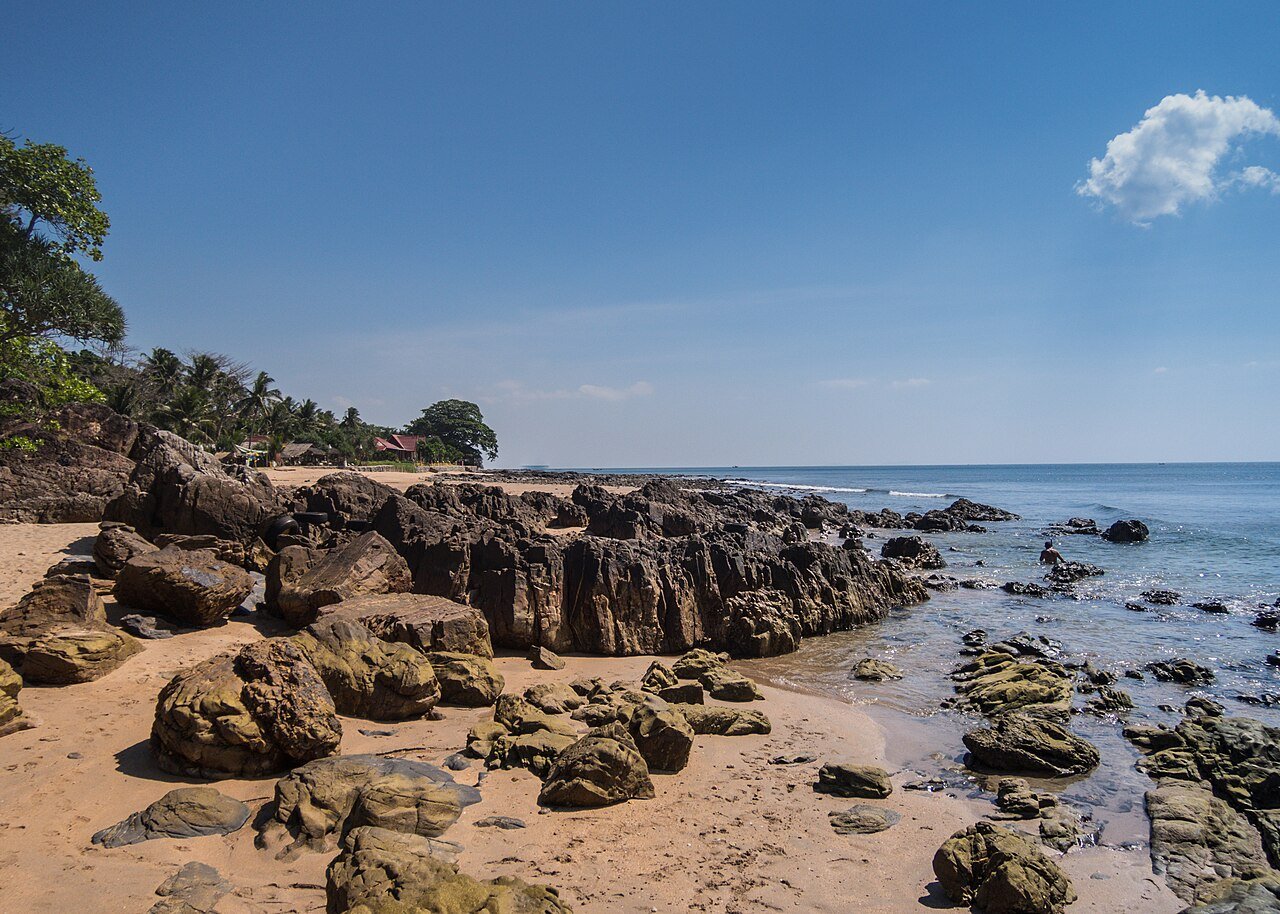
Overview of Koh Lanta
Koh Lanta is a long, skinny island south of Krabi. It’s actually made of several islands, but the main one where everyone stays is Koh Lanta Yai. It is famous for being one of the most laid-back and peaceful places in Thailand. If you want to escape the crowds, this is the place.
Why Visit Koh Lanta
- The Silence: You can walk on the beach for 20 minutes and not see another person.
- The Sunsets: Because the island faces west, you get incredible sunsets over the ocean every single night.
- The Community: It has a unique mix of Thai Buddhists, Thai Muslims, and “Sea Gypsies” (Chao Leh), making it very friendly and welcoming.
- Value: It is generally cheaper than Phuket or Samui, especially for accommodation.
Vibe of Koh Lanta
The vibe here is “do nothing.” It’s sleepy, rustic, and slow. There are no high-rise buildings, no shopping malls, and no jet skis buzzing on the water. It feels like Thailand used to be 20 years ago—bamboo beach bars, hammocks, and dirt roads leading to secret beaches.
History of Koh Lanta
For hundreds of years, Lanta was a safe harbor for traders from China and Malaysia. That’s why Lanta Old Town exists on the east coast—it’s a historic trading village built on stilts over the sea. It looks totally different from the beach side of the island.
Highlights of Koh Lanta
- Mu Ko Lanta National Park: Located at the very southern tip of the island. It has a famous lighthouse, a quiet beach, and lots of monkeys.
- The Emerald Cave (Morakot Cave): This is a must-do adventure on a nearby island (Koh Muk). You swim through a dark tunnel in the sea to find a secret beach hidden inside a cliff.
- Lanta Old Town: Walking through the wooden streets to buy souvenirs and eat fresh seafood on a deck over the water.
- Beach Bars: Sitting on a cushion in the sand with a fruit shake or cold drink watching the fire shows.
Key Spots in Koh Lanta
- Long Beach (Phra Ae): The most popular beach with the best sand and plenty of restaurants.
- Klong Dao Beach: Very flat and shallow water, making it perfect for families with small kids.
- Kantiang Bay: A smaller, stunning crescent-shaped bay in the south with clearer water and a jungle feel.
- Saladan Pier: The main entry point where the ferries arrive, full of shops and tour agencies.
Insider Tip for Koh Lanta
Go south for nature. The further south you drive on the island, the wilder and more beautiful it gets. If you are comfortable driving a scooter (and have a license!), it is the best way to explore. The road from north to south takes about 45 minutes and is a beautiful ride.
Comparison of Koh Lanta
- Vs. Phi Phi: Phi Phi is loud, crowded, and famous for parties. Lanta is quiet, spacious, and famous for relaxing. They are only an hour apart by boat, but totally different worlds.
- Vs. Phuket: Phuket is a busy city island. Lanta feels like a big village. You won’t find traffic jams here like you do in Phuket.
Who should visit Koh Lanta?
- Perfect for: Families with young children, couples, older travelers, and “digital nomads” (people working online) who want peace.
- Not for: Party animals looking for nightclubs or people who want 5-star luxury shopping.
Best Places to See in Thailand for Backpackers
Pai
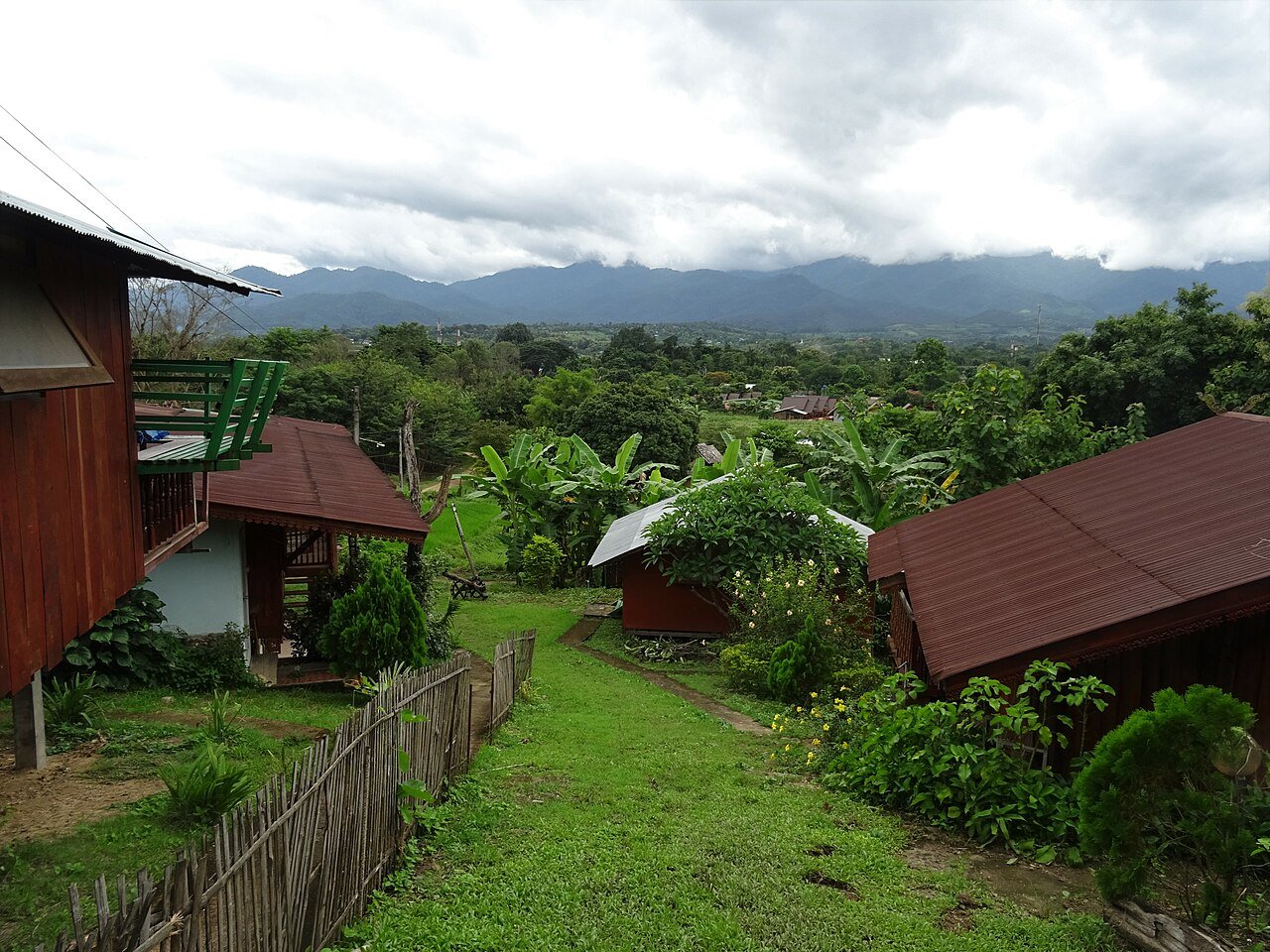
Overview of Pai
Pai is a tiny town tucked away in a valley in the mountains of northern Thailand, about three hours from Chiang Mai. It is famous for its incredible scenery—think bright green rice paddies, waterfalls, and misty mountains. It has a legendary reputation as a place where travelers get “stuck” because they love it so much.
Why Visit Pai
- The Scenery: It looks like a postcard everywhere you turn. The sunsets here are some of the best in Thailand.
- The Atmosphere: It is incredibly relaxed. Life moves at a slower pace here, perfect for reading in a hammock or sipping tea by a river.
- The Price: It is very budget-friendly, with cheap bungalows and street food.
Vibe of Pai
The vibe is “bohemian” and artistic. You’ll see lots of dreadlocks, acoustic guitars, and people doing yoga. It feels like a small, friendly community where everyone is welcome. At night, the main street turns into a lively walking street full of food stalls and handicrafts.
History of Pai
Pai was originally a quiet village inhabited by Shan people (an ethnic group from Myanmar). For a long time, it was very isolated. In recent decades, backpackers discovered it, and it transformed into a traveler hub, though it still keeps its local charm in the surrounding villages.
Highlights of Pai
- Pai Canyon: A stunning area of narrow red ridges with steep drops. It’s the number one spot to watch the sunset (but be careful, the paths are narrow!).
- Hot Springs: There are natural hot springs in the jungle where you can soak in warm water.
- Waterfalls: Visiting spots like Mo Paeng Waterfall, which is essentially a natural water slide.
- The White Buddha: A giant white statue on a hill (Wat Phra That Mae Yen) that watches over the town.
Key Spots in Pai
- Walking Street: The heart of the town at night. It’s packed with amazing street food (try the lasagna or sushi!) and souvenirs.
- Memorial Bridge: An old iron bridge from World War II that is a popular photo spot.
- Coffee in Love: A famous coffee shop with a huge terrace and a great view of the valley.
- Bamboo Bridge (Kho Ku So): A long bamboo walkway stretching over rice fields leading to a temple.
Insider Tip for Pai
Prepare for the road. To get to Pai from Chiang Mai, you have to drive on a road with 762 curves. It is very winding and steep. If you get car sick, definitely take motion sickness medicine before you get in the van.
Comparison of Pai
- Vs. Chiang Mai: Pai is much smaller and more rural. Chiang Mai is a city with malls and traffic; Pai is a town with bamboo huts and rice fields.
- Vs. Southern Islands: This is mountains vs. ocean. The air in Pai is cooler and fresher, especially at night, compared to the humid heat of the islands.
Who should visit Pai?
- Perfect for: Backpackers, nature lovers, artists, and anyone who wants to escape the busy world for a while.
- Not for: People who get severe motion sickness (the road is tough) or those looking for luxury shopping and 5-star service.
Koh Tao
Overview of Koh Tao
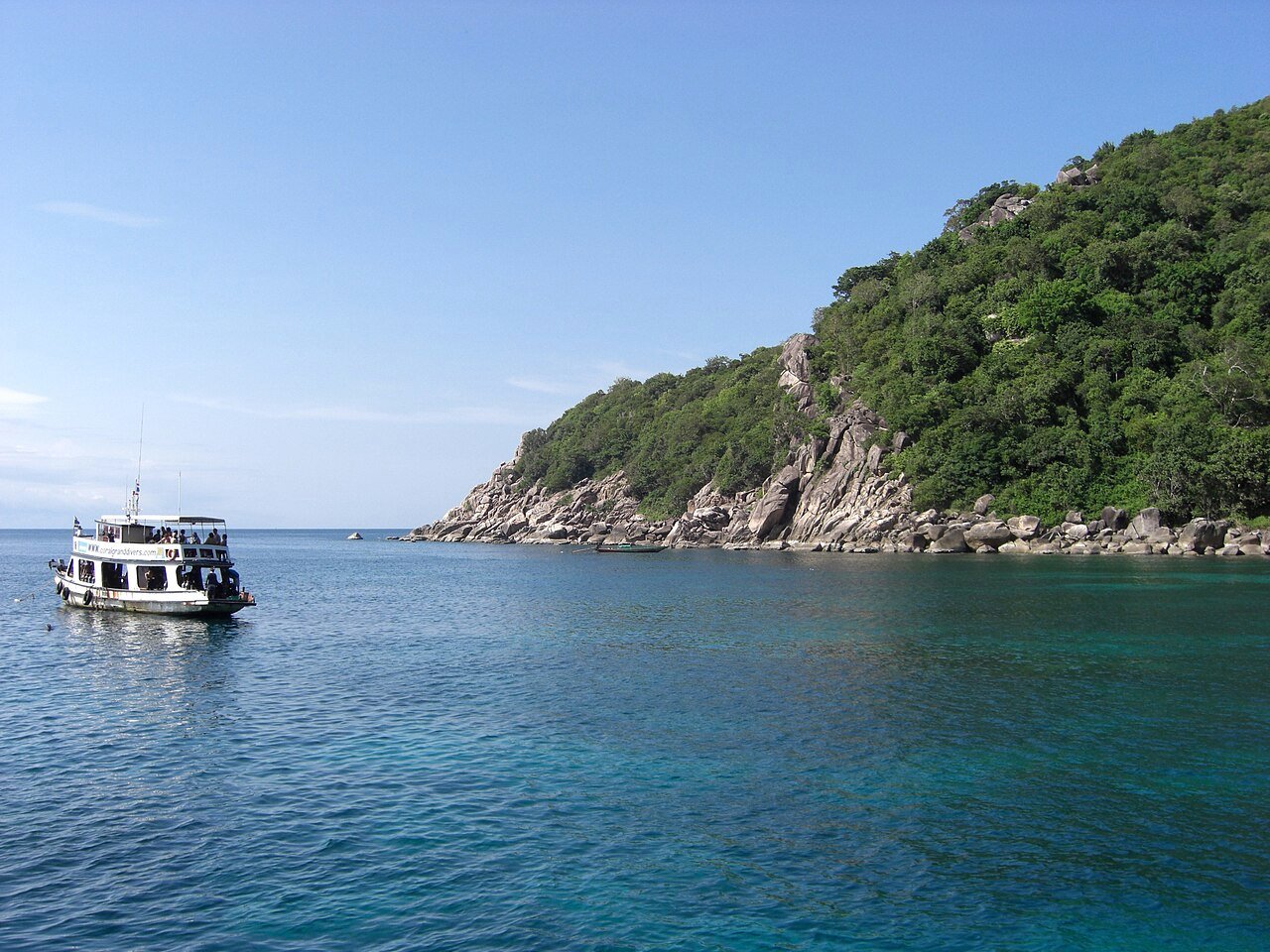
Koh Tao is a small island in the Gulf of Thailand, north of Koh Samui and Koh Phangan. It is world-famous for one thing above all else: scuba diving. With crystal-clear water, shallow coral reefs, and affordable dive schools, it certifies more divers than almost anywhere else on the planet.
Why Visit Koh Tao
- The Underwater World: It is a diver’s paradise. Whether you are a total beginner or a pro, the marine life here is incredible—turtles, reef sharks, and colorful fish are everywhere.
- The Vibe: It feels like a small, tight-knit community of ocean lovers. You can walk almost everywhere in the main town.
- The Views: The island is hilly, which means hiking up to viewpoints for stunning panoramas of the ocean is a popular activity.
Vibe of Koh Tao
The vibe is young, active, and beachy. During the day, everyone is on a boat or in the water. At night, the beach bars come alive with fire shows and music, but it’s generally more chilled out than the wild Full Moon Party on the neighboring island.
History of Koh Tao
“Koh Tao” means Turtle Island. In the past, the waters were filled with sea turtles (and they are slowly coming back thanks to conservation efforts!). For a brief time in the 1930s and 40s, the island was actually used as a political prison because it was so isolated.
Highlights of Koh Tao
- Scuba Diving: Taking a 3-or-4-day “Open Water” course to get your diving license. It’s one of the cheapest places in the world to do it.
- Snorkeling: Even if you don’t dive, you can see sharks and turtles just by swimming off the beach with a mask.
- John-Suwan Viewpoint: A steep hike that rewards you with a breathtaking view of two bays curving toward each other.
- Freedom Beach: A quiet, secluded little beach with hammocks and clear water, perfect for relaxing.
Key Spots in Koh Tao
- Sairee Beach: The longest and busiest beach on the west coast. This is where most of the bars, restaurants, and dive shops are.
- Mae Haad Pier: The main town where the ferry drops you off. It’s busy and full of shops.
- Shark Bay (Thian Og): The best place to snorkel if you want to see blacktip reef sharks (don’t worry, they are harmless!).
- Tanote Bay: A beautiful bay on the east coast with a huge rock you can jump off into the sea.
- Koh Nang Yuan: Three tiny islands connected by a sandbar right next to Koh Tao. It’s the most famous photo spot in the area.
Insider Tip for Koh Tao
Get a scooter (carefully). Koh Tao is hilly. The best way to find hidden beaches is by motorbike, but the roads can be steep and sandy. If you aren’t confident, stick to the main road or take a taxi boat to the different bays instead.
Comparison of Koh Tao
- Vs. Koh Phangan: Phangan is bigger and has wilder parties. Koh Tao is smaller and focuses almost entirely on diving and ocean activities.
- Vs. Koh Samui: Samui has an airport and luxury resorts. Koh Tao is much more rustic—you have to take a ferry to get here.
Who should visit Koh Tao?
- Perfect for: Divers (and people who want to learn), snorkelers, backpackers, and active travelers.
- Not for: People who are afraid of the ocean or want large shopping malls and 5-star hotel chains.
Expanding your worldwide travel list? > Once you have mapped out your 2026 Thai adventure, you might be looking for entirely different landscapes to explore next. Discover the famous ‘Land of 10,000 Lakes’ in our recent guide: The [7 Best Places to Visit in Minnesota in 2026].
Koh Phi Phi
Overview of Koh Phi Phi
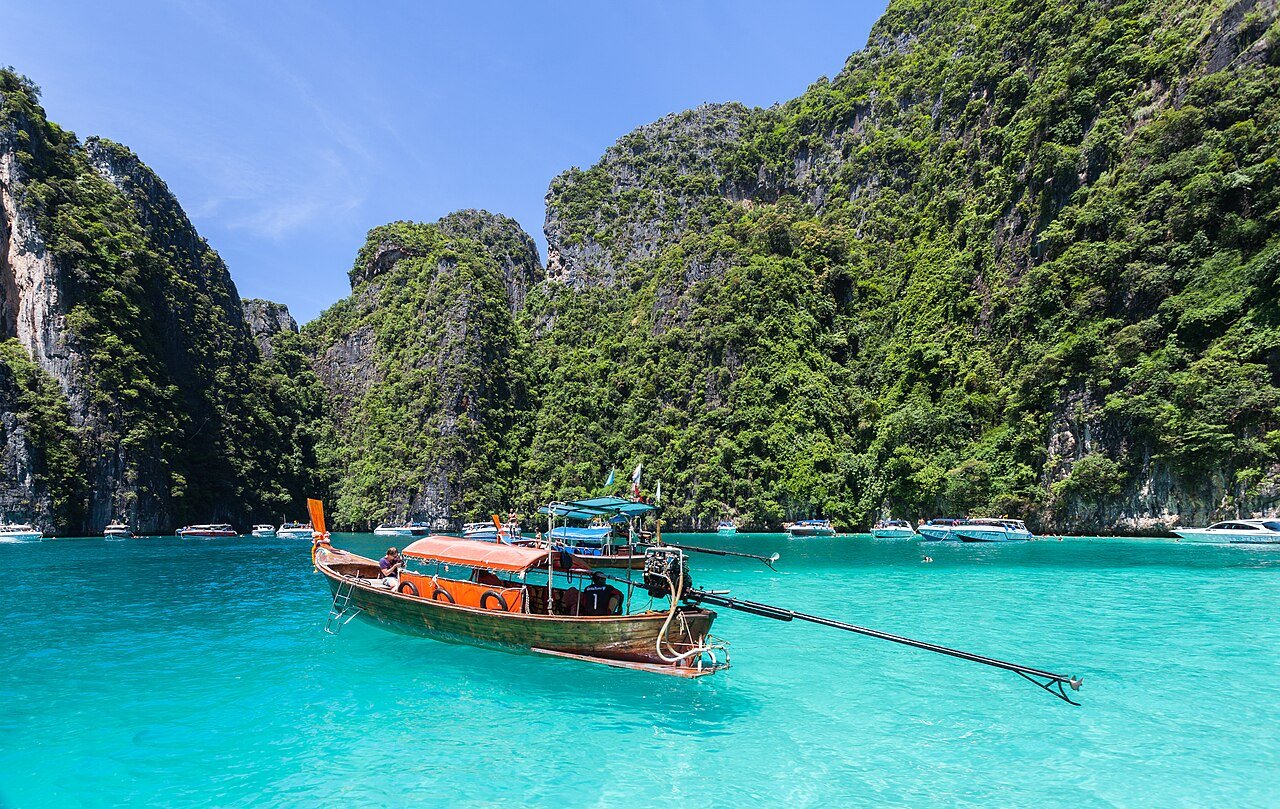
Koh Phi Phi isn’t just one island—it’s a small group of them in the Andaman Sea between Phuket and Krabi. The main two are Phi Phi Don (where everyone stays, eats, and parties) and Phi Phi Leh (the uninhabited national park with the famous “The Beach”). It is stunningly beautiful, with massive cliffs rising straight out of turquoise water.
Why Visit Koh Phi Phi
- The Scenery: It is arguably the most photogenic place in Thailand. The water is an incredible shade of blue.
- The Energy: It’s small, walkable, and buzzing with energy. There are no cars here, just narrow pathways full of people, cats, and shops.
- The Day Trips: It is the best base for boat tours to see lagoons, caves, and monkey beaches.
Vibe of Koh Phi Phi
Phi Phi is a tale of two worlds. During the day, it’s a tropical paradise of sunbathing and boat trips. At night, the main beach (Loh Dalum) turns into a massive open-air party with fire shows, buckets of drinks, and dancing on the sand. It’s loud, young, and fun.
History of Koh Phi Phi
Before tourism exploded, Phi Phi was home to sea gypsies and coconut farmers. It became globally famous after the movie The Beach (starring Leonardo DiCaprio) was filmed at Maya Bay in 2000. It was devastated by the 2004 tsunami but has been completely rebuilt.
Highlights of Koh Phi Phi
- Maya Bay: The most famous beach in Thailand. It was closed for years to let the coral recover but is now open again (you can visit, but you can’t swim in the bay itself to protect the sharks).
- Phi Phi Viewpoint: A steep hike up hundreds of stairs to see the iconic “dumbbell” shape of the island, where two bays almost touch.
- Pileh Lagoon: A stunning emerald lagoon surrounded by high cliffs. It looks like a natural swimming pool.
- Viking Cave: A mysterious cave where locals harvest expensive bird’s nests for soup.
Key Spots in Koh Phi Phi
- Tonsai Village: The main arrival pier and the heart of the island. It’s a maze of shops, restaurants, and tattoo parlors.
- Loh Dalum Bay: The “party beach” on the other side of the sandbar. Shallow water by day, dance floor by night.
- Monkey Beach: A beach inhabited by wild macaques. (Look, but don’t touch or feed them—they can be aggressive!).
- Bamboo Island: A tiny, flat island nearby with white sand and crystal clear water, perfect for snorkeling.
Insider Tip for Koh Phi Phi
Stay on the east coast for quiet. If you want the beauty of Phi Phi without the thumping bass of the party beach, book a resort on Long Beach or further north near Laem Tong. You can take a longtail boat into town for dinner and then escape back to peace and quiet to sleep.
Comparison of Koh Phi Phi
- Vs. Phuket: Phi Phi is much smaller and has no roads. You walk everywhere. Phuket is a big island with traffic.
- Vs. Krabi: Krabi is more about adventure and climbing; Phi Phi is more about beaches, boats, and partying.
Who should visit Koh Phi Phi?
- Perfect for: Young travelers, party lovers, day-trippers, and people who want that classic “tropical island” photo.
- Not for: People who want total silence, hate crowds, or have trouble walking (there are no taxis).
Koh Phangan
Overview of Koh Phangan
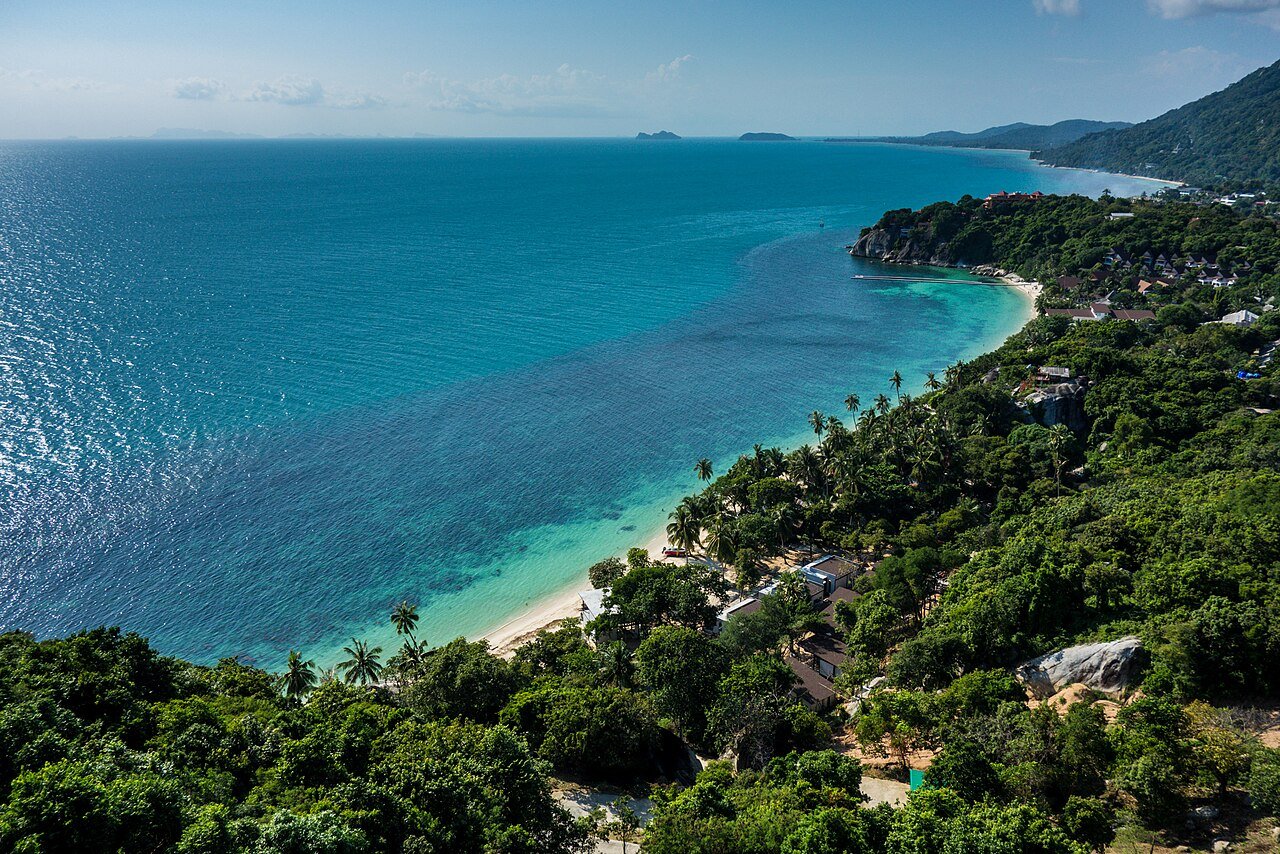
Koh Phangan is a large island located between Koh Samui and Koh Tao. It is most famous for the Full Moon Party, a massive monthly festival on the beach. But what most people don’t realize is that 90% of the island is actually quiet jungle, hidden coves, and yoga retreats.
Why Visit Koh Phangan
- Two Worlds: You can dance until sunrise with 20,000 people one night, and the next morning be meditating in a silent temple in the jungle.
- The Beaches: It has some of the most beautiful, untouched beaches in Thailand (Bottle Beach, Than Sadet) that are much quieter than Samui or Phuket.
- Wellness: It is a huge hub for yoga, detox, and vegan food. If you want to get healthy, this is the place.
Vibe of Koh Phangan
The vibe depends entirely on the moon cycle and where you stay.
- Haad Rin (South): High energy, neon paint, buckets of drinks, and loud music.
- Sri Thanu (West): Very zen. Lots of yoga mats, ecstatic dance, and organic cafes.
- Thong Nai Pan (North): upscale, quiet, family-friendly luxury.
History of Koh Phangan
For a long time, Koh Phangan was a favorite holiday spot for Thai kings (King Rama V visited 14 times!). The famous Full Moon Party started in the 1980s as a small birthday party with just a few backpackers. Today, it’s a world-famous event, but the island still keeps its royal, natural charm in the north.
Highlights of Koh Phangan
- The Full Moon Party: If you like partying, this is a bucket-list event on Haad Rin beach.
- Bottle Beach: A stunning, secluded beach that is best reached by boat. It feels like a private island.
- Ang Thong Marine Park: Just like from Samui, you can take day trips here to kayak and see the emerald lagoon.
- Sunset at Amsterdam Bar: A famous bar on a cliff with an incredible view of the sunset over the ocean.
Key Spots in Koh Phangan
- Haad Rin: The party center. It’s a town of narrow streets packed with bars and souvenir shops.
- Sri Thanu: The “yoga village.” This is where you go for green juice, meditation classes, and sunsets.
- Thong Nai Pan Noi & Yai: Two beautiful bays in the north with nicer resorts and a village feel.
- Chaloklum: A quiet fishing village in the north with great local seafood and a nice pier.
- Phaeng Waterfall: A nice hike in the center of the island that leads to a great viewpoint.
Insider Tip for Koh Phangan
Visit the Night Market. The Phantip Night Market in Thong Sala (the main pier town) is the best place for cheap eats. You can get sushi, pad thai, smoothies, and falafel all in one place for very little money.
Comparison of Koh Phangan
- Vs. Koh Samui: Phangan is wilder and less developed. It doesn’t have an airport (you have to take a ferry), which keeps it a bit more rustic than Samui.
- Vs. Koh Tao: Tao is all about diving; Phangan is about partying and yoga. Phangan is also much bigger, so there is more to explore on a scooter.
Who should visit Koh Phangan?
- Perfect for: Party animals, yogis, spiritual seekers, and nature lovers who want to get off the beaten path.
- Not for: People who want big shopping malls, high-end fashion brands, or an airport right next to their hotel.
“If you need a detox after the Full Moon Party, the north side of the island is famous for wellness. Here is a curated list of the Top Yoga Retreats on Koh Phangan.”
Thailand Places to Visit for Families
Hua Hin
Overview of Hua Hin
Hua Hin is a long, sandy beach town about 3 hours south of Bangkok by car. Unlike the wild party islands, this is a sophisticated, calm, and historic resort town. It has been the favorite summer getaway for the Thai Royal Family for nearly 100 years.
Why Visit Hua Hin
- The Atmosphere: It’s classy and relaxed. You won’t find neon-lit go-go bars or rowdy backpackers here. It’s perfect for families and couples who want peace.
- The Activities: It’s famous for two things: kite surfing (due to the steady winds) and golf (it has some of the best courses in Thailand).
- The Accessibility: You can drive or take a train straight from Bangkok. No flights or ferries required.
Vibe of Hua Hin
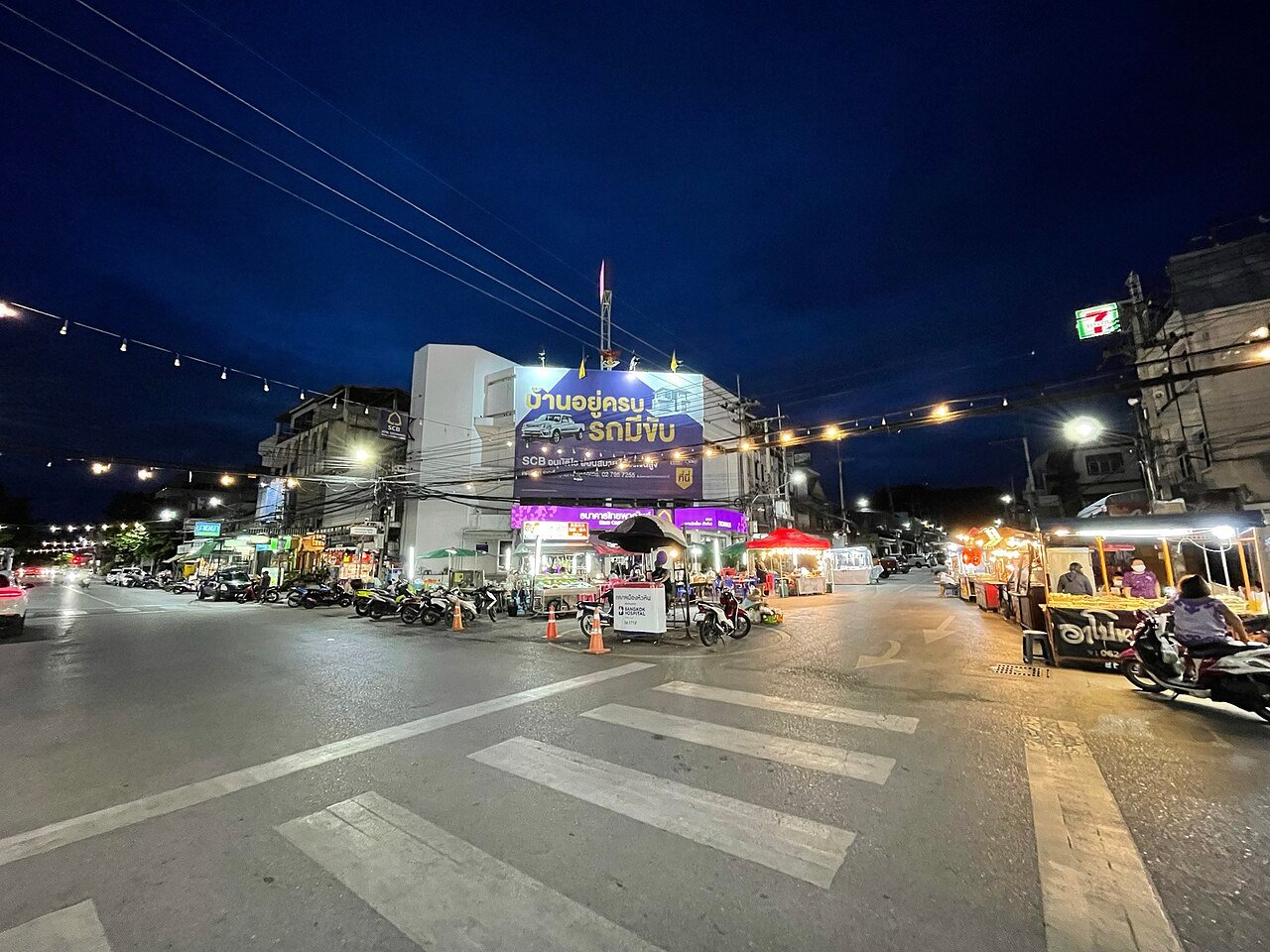
The vibe is “old-school charm.” It feels like a mix of a modern beach town and a nostalgic fishing village. You’ll see horses trotting on the beach, families eating seafood on piers, and night markets that are clean and well-organized.
History of Hua Hin
Hua Hin was just a quiet fishing village until the 1920s, when King Rama VII built a summer palace here called Klai Kangwon (“Far From Worries”). The railway line from Bangkok made it accessible, and it became Thailand’s very first beach resort. The beautiful old wooden train station is still a major landmark today.
Highlights of Hua Hin
- The Beach: The main beach is 5 kilometers of wide, white sand. It’s famous for sunrise horseback riding.
- Cicada Market: The most artistic night market in Thailand. It’s set in a garden with live jazz music, art galleries, and incredible handmade crafts (open weekends only).
- Water Parks: It is home to Vana Nava, one of the best jungle-themed water parks in Asia.
- Monsoon Valley Vineyard: Yes, you can visit a vineyard here! You can tour the grapes and taste Thai wine.
Key Spots in Hua Hin
- Hua Hin Railway Station: One of the most beautiful train stations in the country, built in bright red and cream wood.
- Khao Takiab (Chopstick Hill): A hill at the end of the beach with a giant standing Buddha and lots of monkeys.
- Night Market (Chatchai Market): The nightly street market in the center of town. Great for seafood dinners and cheap shopping.
- Rajabhakti Park: A massive park with giant bronze statues of seven famous Thai kings.
Insider Tip for Hua Hin
Eat at the Night Market. But specifically, look for the stalls selling Rotee (Thai pancakes) and fresh seafood grilled right in front of you. The prices are much better than the restaurants on the beach, and the atmosphere is buzzing.
Comparison of Hua Hin
- Vs. Pattaya: Pattaya (also near Bangkok) is famous for nightlife and noise. Hua Hin is famous for peace, golf, and family time.
- Vs. Phuket: Phuket is an island with blue water and waves. Hua Hin is on the mainland; the water is darker and calmer, but the town feels more “authentic Thai.”
Who should visit Hua Hin?
- Perfect for: Families with kids, retirees, golfers, and couples looking for a romantic, quiet weekend.
- Not for: People looking for crystal-clear turquoise water (like the islands) or wild, all-night partying.
Koh Kood
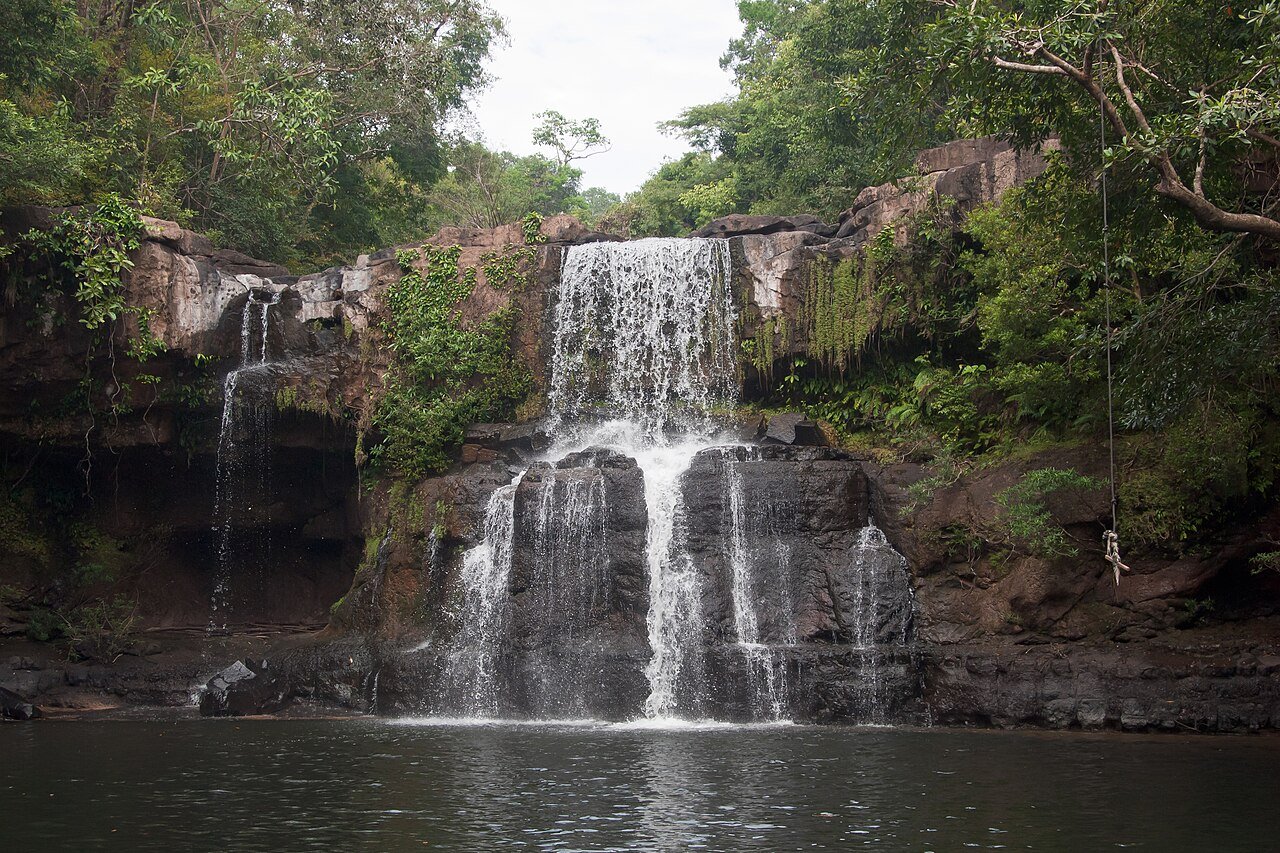
Overview of Koh Kood
Koh Kood (also spelled Koh Kut) is an island in the far east of Thailand, near the border with Cambodia. Despite being the fourth largest island in the country, it is surprisingly undeveloped. It is famous for having the clearest, bluest water in all of Thailand.
Why Visit Koh Kood
- The Water: The ocean here is incredibly clear and calm, shimmering in shades of turquoise and emerald.
- The Silence: There are no jet skis, no shopping malls, and almost no nightlife. It is pure peace.
- The Nature: It has some of the oldest trees in Thailand and beautiful waterfalls right in the middle of the jungle.
Vibe of Koh Kood
The vibe is “castaway luxury.” It feels very remote and sleepy. You spend your days swinging in a hammock, kayaking through mangrove forests, or swimming in the sea. It’s the kind of place where you forget what day of the week it is.
History of Koh Kood
For a long time, Koh Kood was so isolated that it was known as a “ghost island” because almost nobody lived there except for a few fishing families and rubber farmers. It didn’t get reliable electricity or internet until recently, which is why it still feels so wild and untouched today.
Highlights of Koh Kood
- Klong Chao Waterfall: A beautiful waterfall with a large pool at the bottom where you can swim. It’s a great break from the salt water.
- Ancient Trees: Visiting the “Makka Tree” (over 500 years old) and the “Big Chai Tree.” They are massive and hidden deep in the jungle.
- Kayaking: Because the island has many canals (klongs) leading to the sea, kayaking through the mangroves is a must-do activity.
- Ao Yai Fishing Village: A wooden village built on stilts over the sea where you can eat the freshest crab and fish you’ll ever taste.
Key Spots in Koh Kood
- Klong Chao Beach: The main beach area with the most resorts and restaurants (but still very quiet).
- Bang Bao Bay: A stunning, enclosed bay with calm water that looks like a swimming pool.
- Ao Tapao: A long, white sandy beach that is perfect for watching the sunset.
- Yellow Bridge: A photogenic spot in the fishing village that is great for a walk.
Insider Tip for Koh Kood
Bring enough cash. ATMs on Koh Kood are very rare (and often out of order). While big resorts accept credit cards, local restaurants and small shops usually only take cash. It’s better to withdraw money on the mainland (Trat) before you get on the boat.
Comparison of Koh Kood
- Vs. Koh Chang: Koh Chang is its big neighbor. Chang is mountainous, busy, and has parties. Kood is flatter, quieter, and much more romantic.
- Vs. Koh Samet: Samet is crowded because it’s close to Bangkok. Koh Kood takes longer to get to (5–6 hours + boat), so it has far fewer people.
Who should visit Koh Kood?
- Perfect for: Honeymooners, couples, families who want quiet time, and nature lovers.
- Not for: Party animals (there are basically zero clubs) or people who need fast 5G internet everywhere.
Best Places to Travel in Thailand for Nature Lovers
Kanchanaburi
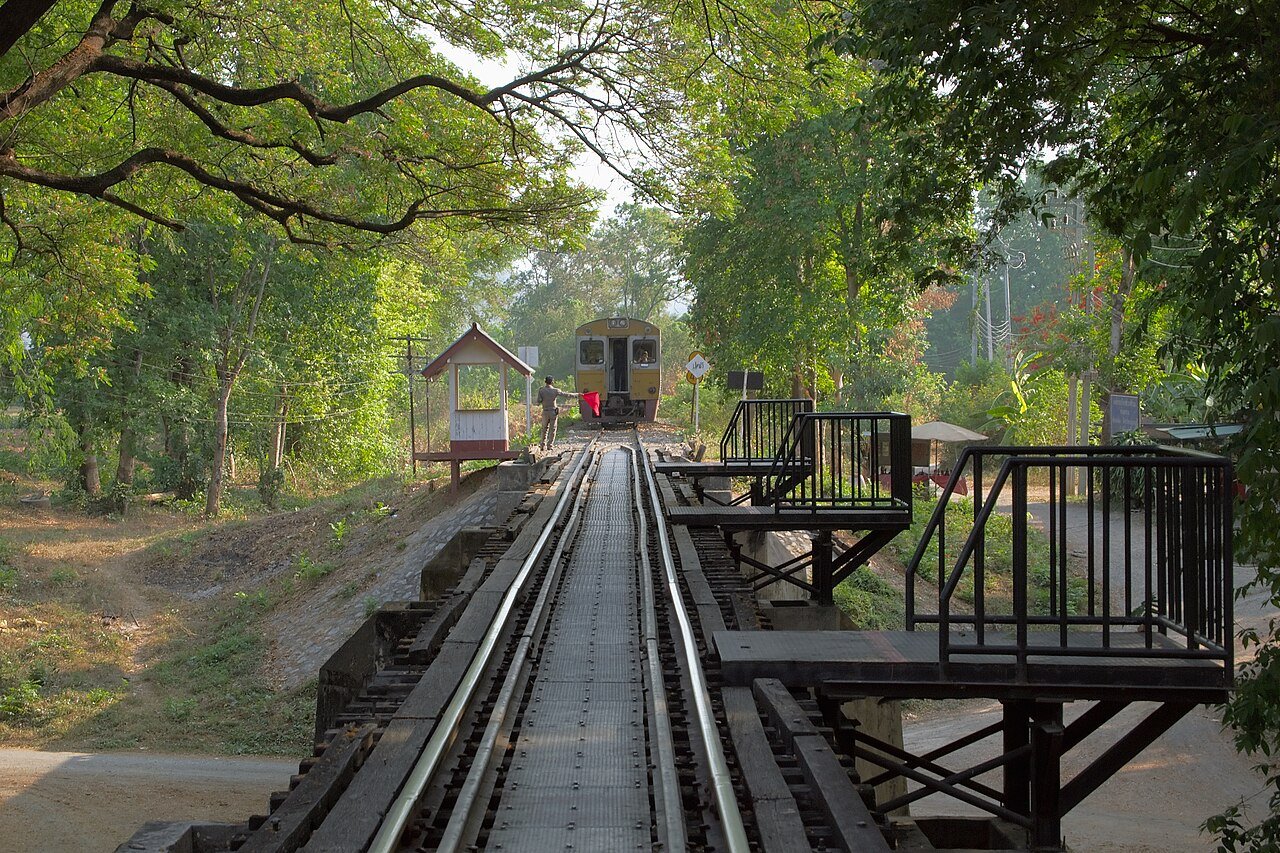
Overview of Kanchanaburi
Kanchanaburi is a town about three hours west of Bangkok. It is famous for two very different reasons: its dark history from World War II and its incredibly beautiful nature. It’s a place where mountains meet the river, offering both deep history lessons and relaxing jungle escapes.
Why Visit Kanchanaburi
- The History: It is the site of the “Death Railway” and the Bridge over the River Kwai. Walking here feels like stepping back in time.
- The Nature: It has some of the most famous waterfalls in the entire country (Erawan Falls). The water is a stunning milky-blue color.
- The Experience: You can sleep on a floating raft house right on the river, surrounded by jungle sounds.
Vibe of Kanchanaburi
The vibe is peaceful but somber in the town center, where the museums and war cemeteries are. But once you get out of town, it becomes a lush, green adventure playground. It’s popular with both history buffs and nature lovers.
History of Kanchanaburi
During WWII, the Japanese army forced prisoners of war (POWs) and Asian laborers to build a railway to Myanmar. Thousands died due to harsh conditions. The bridge you see today is a symbol of that time. It’s a place to pay respect and learn.
Highlights of Kanchanaburi
- The Bridge over the River Kwai: You can actually walk across this famous iron bridge. It’s best to go early in the morning or at sunset.
- Erawan Waterfalls: A 7-tiered waterfall in the jungle. You can swim in the pools, which are full of fish that might nibble your toes (it tickles!).
- Hellfire Pass: A walking trail cut through solid rock by prisoners. It is a quiet, moving memorial museum in the forest.
- Death Railway Train: You can still ride the train today. The wooden tracks cling to the side of a cliff over the river—it’s thrilling and scenic.
Key Spots in Kanchanaburi
- JEATH War Museum: A bamboo hut museum that shows what life was like for the prisoners.
- Kanchanaburi War Cemetery: A beautifully kept garden where thousands of soldiers are buried.
- Mallika City: A retro “living heritage” town where you dress up in traditional Thai clothes and use ancient money to buy food.
- Giant Rain Tree: A massive, 100-year-old tree that is so big it looks like a whole forest by itself.
Insider Tip for Kanchanaburi
Stay on the river. Instead of a regular hotel, book a “raft resort.” These are rooms built on floating bamboo rafts on the River Kwai. You can jump straight into the river from your balcony or just let the gentle rocking put you to sleep.
Comparison of Kanchanaburi
- Vs. Ayutthaya: Ayutthaya is about ancient temple ruins (old history). Kanchanaburi is about WWII (modern history) and nature.
- Vs. Chiang Mai: Kanchanaburi is much closer to Bangkok (easy day trip or weekend) and is hotter and more humid than the cool northern hills.
Who should visit Kanchanaburi?
- Perfect for: History lovers, nature enthusiasts, families, and anyone who wants a break from Bangkok without flying.
- Not for: People who want beaches (it’s inland) or luxury shopping malls.
“Walking across the bridge is surreal, but to truly understand the gravity of what happened here during WWII, I recommend reading this deep dive into the History of the Hellfire Pass“.
Khao Sok National Park
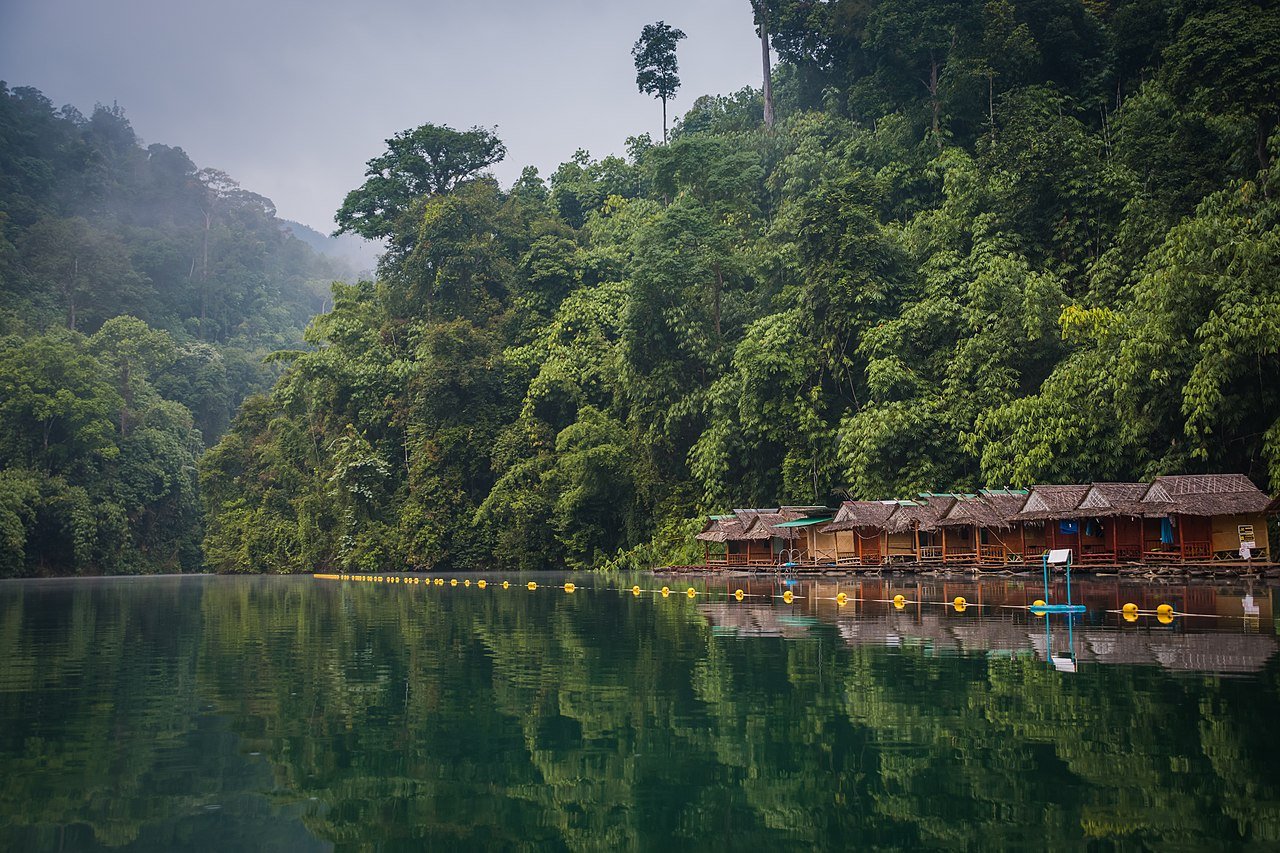
Overview of Khao Sok National Park
Khao Sok is a massive national park in southern Thailand, located between Phuket, Krabi, and Surat Thani. It is home to one of the oldest evergreen rainforests in the world—older and more diverse than the Amazon! Imagine huge limestone mountains shooting up from a giant emerald-green lake.
Why Visit Khao Sok National Park
- The Scenery: It looks like a movie set. The mix of thick jungle and towering cliffs over the water is breathtaking.
- The Lake: Cheow Lan Lake is the star of the show. Staying in a floating bungalow right on the water is a once-in-a-lifetime experience.
- The Wildlife: It’s one of the best places in Thailand to see wild elephants, gibbons, hornbills, and even tigers (though they are very shy!).
Vibe of Khao Sok National Park
The vibe is pure adventure. It’s wet, green, and loud with the sounds of insects and monkeys. There is no cell service on the lake, so it forces you to disconnect and just look at the nature around you. It feels wild.
History of Khao Sok National Park
Millions of years ago, this area was actually a coral reef under the sea. That’s why the limestone cliffs look so unique. The lake itself is actually man-made—it was created in 1982 when they built the Ratchaprapha Dam to generate electricity, flooding the valley and creating the stunning landscape you see today.
Highlights of Khao Sok National Park
- Cheow Lan Lake: Taking a longtail boat tour across the lake is essential. The water is calm and perfect for swimming.
- Jungle Trekking: Hiking through the rainforest to find hidden waterfalls and caves.
- Night Safari: Going on a guided walk or boat ride at night to spot nocturnal animals like civets and slow lorises.
- Rafflesia Flower: If you are lucky (and visit between January and March), you might see the world’s largest flower blooming. It’s huge, red, and smells like rotting meat!
Key Spots in Khao Sok National Park
- Ratchaprapha Dam (The Pier): The starting point for all lake adventures. The view from the dam itself is incredible.
- Nam Talu Cave: A thrilling cave adventure where you walk through water in the dark (only for the brave!).
- Coral Cave (Pakarang Cave): A dry cave full of stalagmites that look like coral. It’s easy to visit and very beautiful.
- Khao Sok Village: The small town near the park headquarters where most of the land-based hotels and restaurants are.
Insider Tip for Khao Sok National Park
Split your stay. To get the full experience, spend one night in the jungle village (to do a trek) and one night on a floating raft house on the lake (to swim and kayak). They are two totally different vibes, and you don’t want to miss either.
Comparison of Khao Sok National Park
- Vs. Phuket/Krabi: This is not a beach destination. It’s fresh water and deep jungle. It’s much quieter and less “touristy” than the coast.
- Vs. Chiang Mai: Both have jungles, but Khao Sok is tropical rainforest (hot and humid), while Chiang Mai is mountainous forest (cooler). Khao Sok has the unique floating bungalows that Chiang Mai doesn’t have.
Who should visit Khao Sok National Park?
- Perfect for: Nature lovers, adventure seekers, photographers, and people who want to unplug from the internet.
- Not for: People who need luxury amenities (electricity on the lake is often limited) or who are afraid of bugs and boats.
Quick Overview Table
| Traveler Type | Recommended Places | Best Months to Visit | Key Advantage |
| First-Timers | Bangkok, Chiang Mai, Phuket | Nov – Feb | Ease of access and variety. |
| Couples | Krabi, Koh Samui, Koh Lanta | Jan – Apr | Romantic scenery. |
| Backpackers | Pai, Koh Tao, Koh Phi Phi, Koh Phangan | Oct – Feb | High social energy. |
| Families | Hua Hin, Koh Kood | Nov – Mar | Safety and uncrowded beaches. |
| Nature Lovers | Kanchanaburi, Khao Sok National Park | Jun – Oct | Lush landscapes and wildlife. |
Looking for more global travel inspiration? > While you plan your 2026 trip to Thailand, you might be looking for other unique destinations to add to your worldwide bucket list. Discover a surprising hub of nature and culture in our recent guide: The [7 Best Places to Visit in Minneapolis in 2026].
Frequently Asked Questions (FAQs)
-
Is Thailand a safe place to visit in 2026?
Yes, Thailand remains one of the safest countries for tourists in Southeast Asia. Solo female travelers generally report high levels of safety, though standard precautions against petty theft and pickpocketing in crowded areas (like full moon parties) should be taken.
-
Is 7 days enough for a trip to Thailand?
While possible, 7 days is considered a minimum. It allows for a focus on one region (e.g., Bangkok and one island). To truly experience the North and South, 10 to 14 days is the recommended ideal stay to avoid traveler burnout.
-
Can I drink the tap water in Thailand?
No. Tap water in Thailand is not considered safe for consumption. Travelers should stick to bottled water (available at every 7-Eleven) or use filtered water stations found in many hotels.
-
What are the visa requirements for 2026?
As of late 2024, citizens from over 60 countries receive a 60-day visa exemption on arrival. This can be extended for an additional 30 days at a local immigration office for a fee of 1,900 Baht.
-
What is the “Must See” festival in 2026?
Songkran, the Thai New Year (April 13–15), is a nationwide water festival that turns the entire country into a massive, respectful water fight. Alternatively, the Yi Peng Lantern Festival in Chiang Mai (late November) offers a more meditative experience with thousands of lanterns released into the sky.